

The capabilities behind a strong company culture
How developing key capabilities can drive lasting cultural change. Practical examples of the Upskilled methodology in action across organisations.
Collective upskilling: training programmes for teams and organisations
Our approach also translates into the corporate environment. Upskilled helps teams develop a shared understanding, take greater ownership and adopt more conscious ways of working, laying the foundation for lasting cultural change.
One principle guides everything we do: only what is consistently put into practice creates lasting change. What matters is not what people know, but what they are able to apply day after day.
That’s why we offer training programmes for teams, departments and entire organisations. All programmes are built on our foundational model of mental strength and can be tailored to meet the specific needs of each organisation.
Below, you’ll find examples of how Upskilled develops capabilities and strengthens organisational cultures.
In 2024, Wasserwerke Zug (WWZ) approached us with the idea of offering mental strength training as part of their workplace health management programme. At the outset, it was unclear how much interest there would actually be among employees.
Kick-off: A spark that catches fire
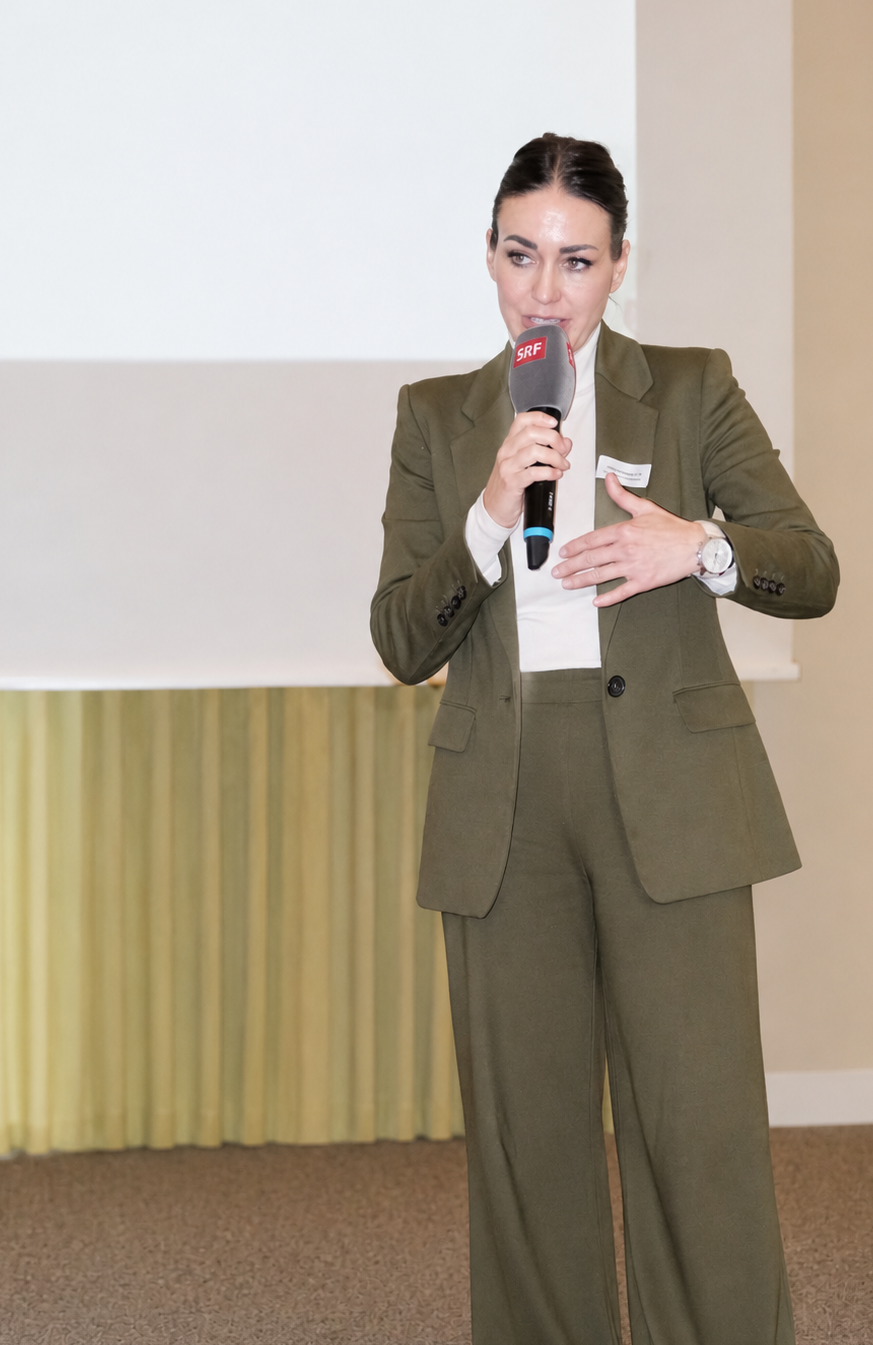
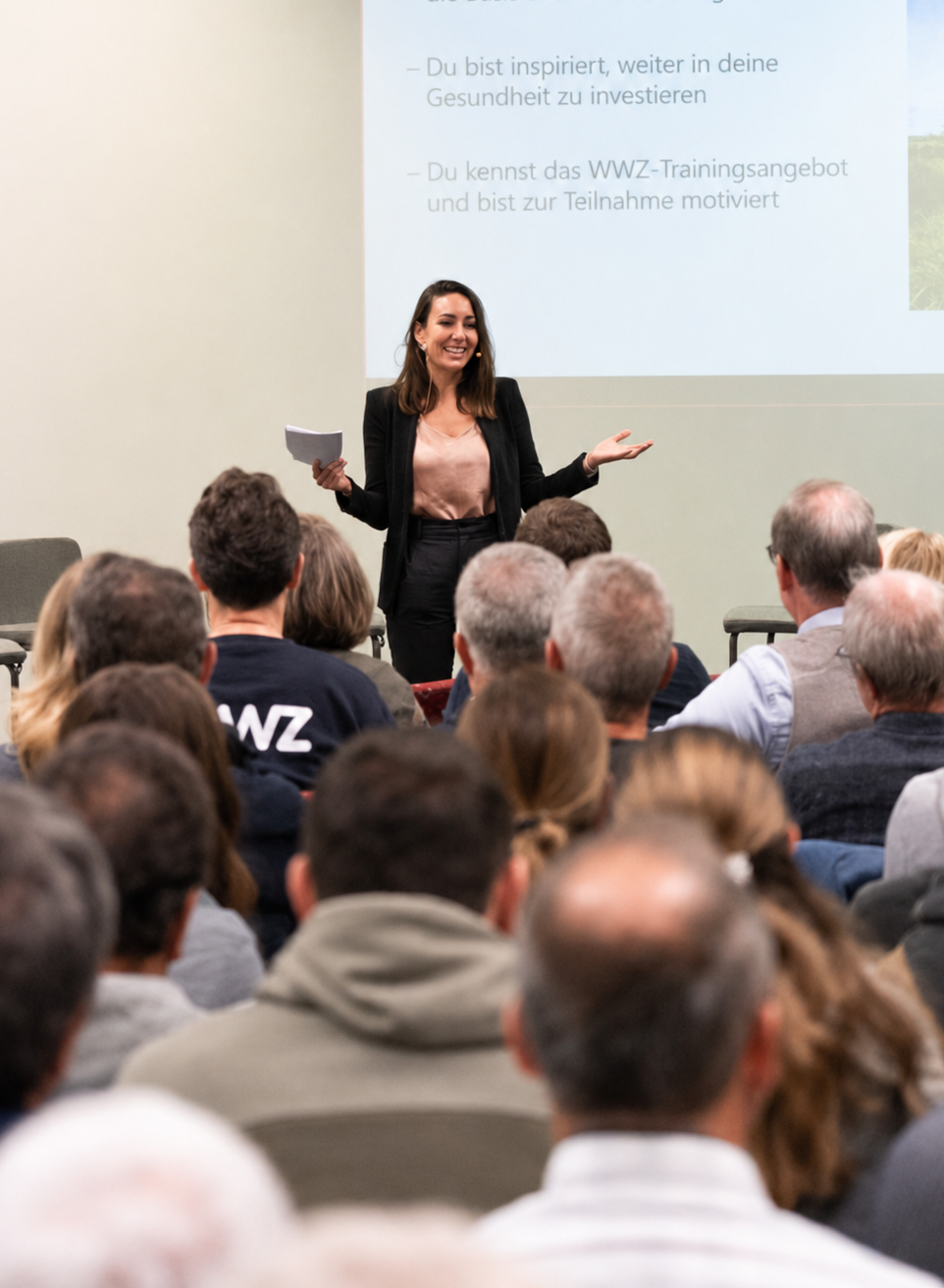
To raise awareness and give everyone a shared starting point, a kick-off event was held in November 2024. Reto Suri, former professional ice hockey player with EVZ, spoke about mental strength from the perspective of elite sport. This was followed by a presentation from Crista Henggeler, who introduced the Mental Strength training programme and showed how mental capabilities can make a difference in everyday working life. The response exceeded all expectations: the room was filled to capacity, with more than 100 employees in attendance.
Delivery: Learning across parallel groups
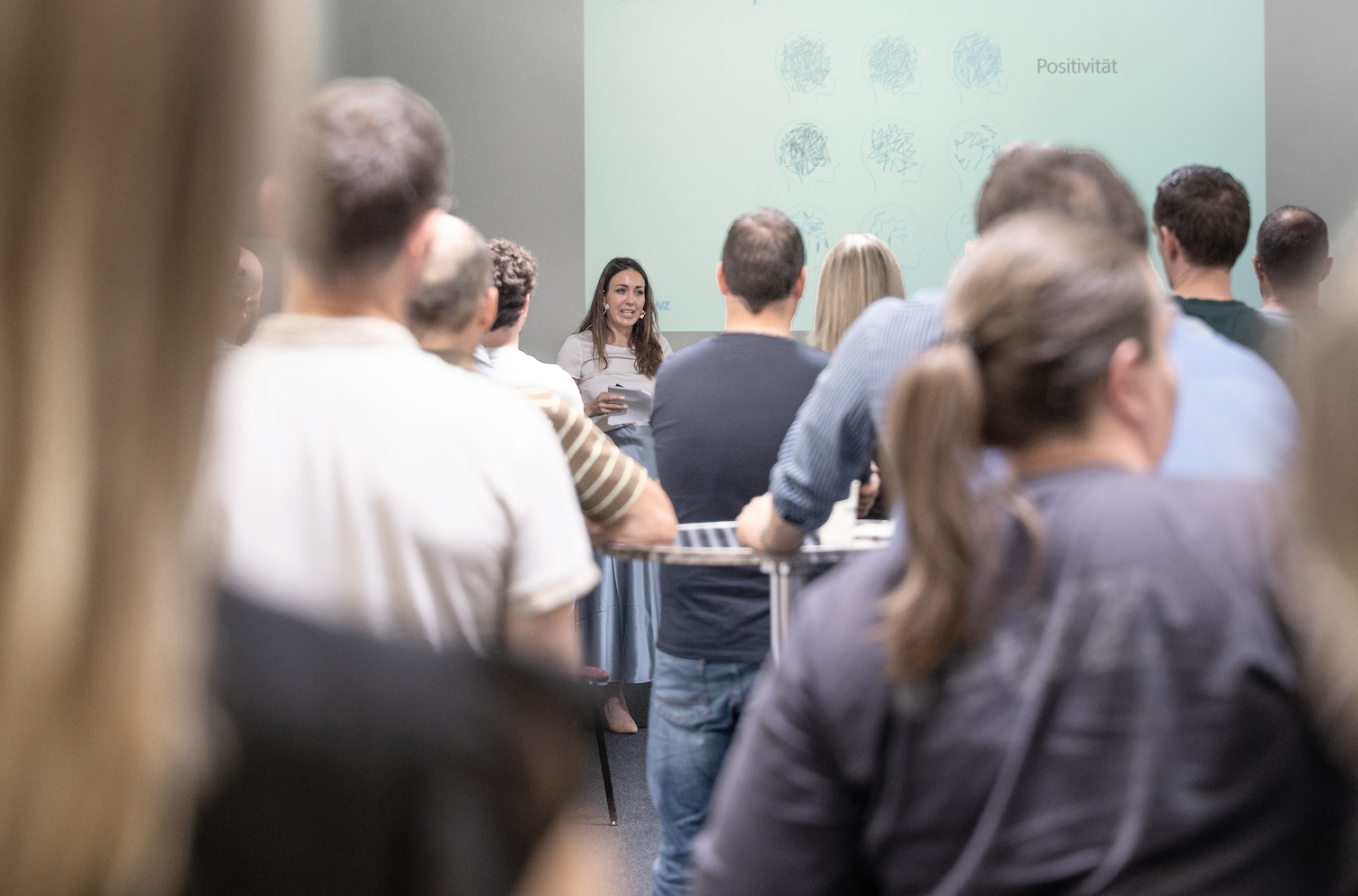
In January 2025, four parallel courses began, each with around 15 participants. The groups were deliberately composed of employees from different departments, with separate groups for those with and without management responsibilities. The training consisted of eight modules, characterised by active participation, in-depth exchange and palpable motivation. After just the second module, we received the following feedback from a manager: «One piece of feedback I simply have to share: I think the workshop is brilliant… especially your approach and the way you choose your words. It’s effective and precise. For me, it’s been an absolute game-changer!» The HR team also reported that the training was helping to shape the company culture. New relationships were forming, cross-departmental working groups were emerging, and employees were taking noticeably more initiative.
Completion, embedding and the next step
The eight modules concluded in May 2025. In June, a joint closing event gave participants the opportunity to share and reflect on their key insights and discuss how to carry what they had learned into everyday practice across the organisation. Mental strength had evolved from an individual skill into a shared organisational focus. The success did not stop there. In September 2025, several more parallel courses began, running until December. Mental strength had become a firmly established part of WWZ’s professional development offering.
Impact and insights
This case study clearly demonstrates that collective learning works in an organisational context and can have an impact far beyond the original topic. Bringing employees from different departments together created new connections, a stronger sense of belonging and a process of collective upskilling that extended beyond mental strength to strengthen collaboration across the organisation.
Mental strength became a common thread and a catalyst for cultural development.
Reference: Mental strength training as part of workplace health management at Wasserwerke Zug


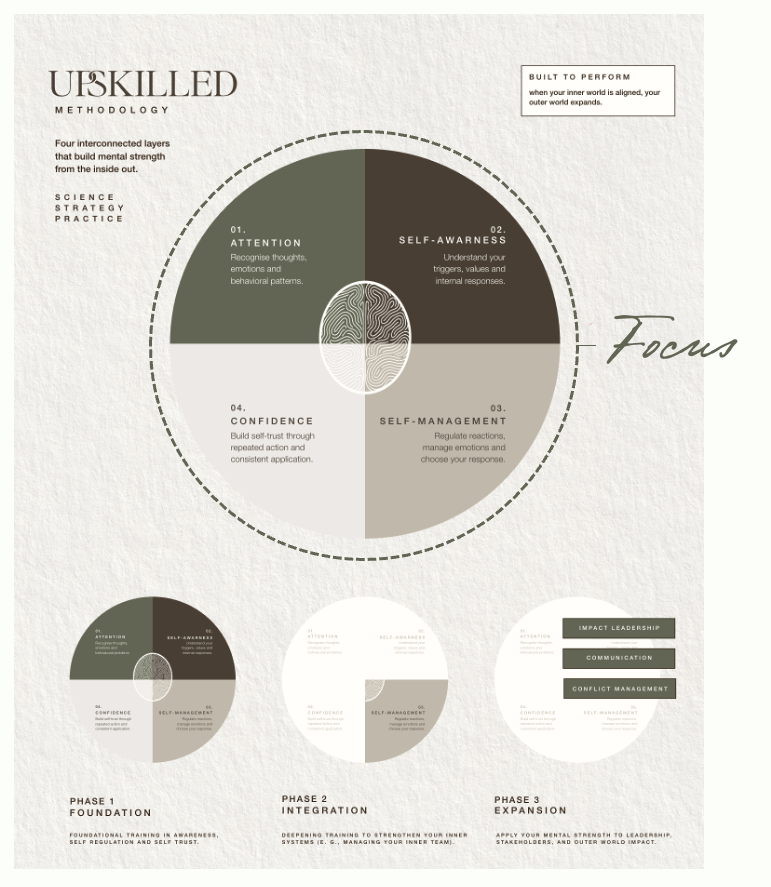
Positioning the WWZ case study within the Upskilled methodology
The WWZ training forms part of Phase 1 of the Upskilled methodology: the foundational training in which participants explore and develop the four core elements of mental strength:
Attention
Self-awareness
Self-management
Self-confidence
The capabilities developed through the training foster not only greater individual self-efficacy, but also collective growth. They make it easier to address psychological topics with a forward-looking, growth-oriented mindset.
Having a shared terminology also makes it easier for colleagues across the organisation to engage in constructive, solution-focused conversations about workload, pressure and other challenges. This helps strengthen psychological safety throughout the organisation.
Reference: Communication training as part of a leadership principle at a Swiss retailer
In 2026, a major Swiss retailer faced the challenge of making its new leadership principles more than just words on paper. The aim was to bring them to life in everyday leadership practice. At the heart of this was the question of how leaders could communicate more clearly, consistently and effectively to provide direction and strengthen collaboration.
Working closely with the organisation, Upskilled developed two capability-building programmes aligned with the new leadership principles. One focused on effective communication. It was based on Phase 3 of the Upskilled methodology, Expansion, which recognises that lasting impact on the outside begins with inner clarity.
Consistent training for leaders
To reach as many leaders as possible, the training was delivered, and continues to be delivered, around 15 times over an extended period. Each session brought together approximately 20 leaders. All sessions followed the same content and structure and took place in person.
The objective was clear: to help leaders communicate more consciously, structure their messages clearly and reflect on the impact they have on others. Rather than focusing primarily on theory, the training emphasised immediate application to real-life leadership situations. Throughout the programme, participants worked with their own practical examples and translated the learning directly into their day-to-day leadership practice.
A fresh perspective on a familiar topic: reflecting on our own patterns
The training was structured around three interconnected levels. The first focused on how to structure messages effectively. Using a range of tools, participants learned to organise their messages more clearly and communicate complex information in an accessible way.
The second shifted the focus to the individual. Using a personality assessment and a preparatory AI-supported reflection exercise, leaders explored their personal communication patterns. The aim was to make habitual responses visible and enable more conscious choices about how to communicate in different situations.
This is where the connection to mental strength became particularly clear: understanding our own patterns allows us to guide our communication more deliberately and act from a place of inner clarity, rather than being driven by habit or immediate reactions.
The third level examined the actual impact of communication. Alongside the content of a message, participants explored the role of body language and voice. They had the opportunity to present communication scenarios they had prepared, receive feedback from the group and experiment with different approaches.
An interactive space for experimentation, with a toolkit of approaches
A defining feature of the training was, and continues to be, its practical focus. Supported by a workbook, participants worked throughout on questions and challenges drawn from their own leadership practice.
The communication tools were deliberately not presented as a rigid framework, but rather as a kind of toolkit: leaders could select the approaches best suited to their personality, context and specific situation. The tools were also designed to work in both face-to-face conversations and virtual communication settings.
In this way, communication became more than just a leadership skill. It became a key lever for bringing the organisation’s new leadership principles to life in everyday practice.
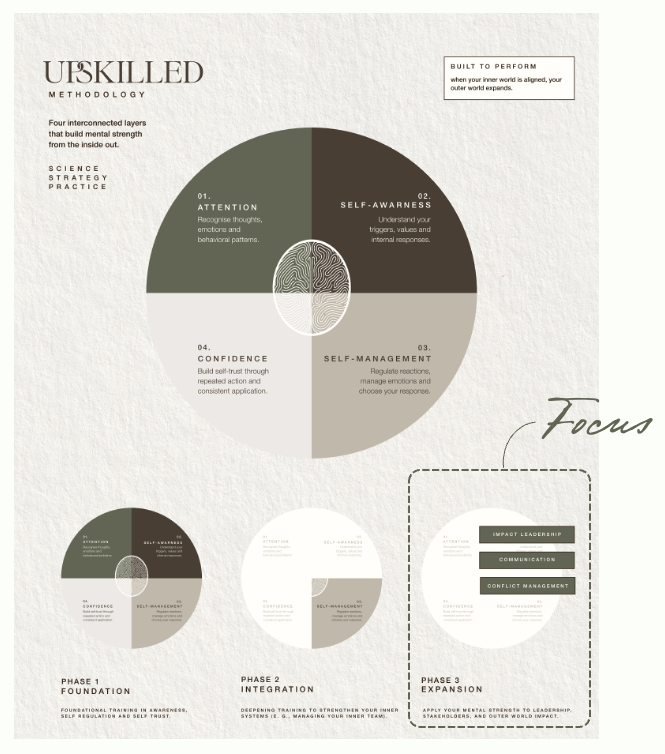


Positioning the communication training within the Upskilled methodology
This series of communication trainings falls within Phase 3 of the Upskilled methodology: our Expansion programmes. These programmes build on a solid foundation of mental strength, shifting the focus towards creating impact in the world around us.
Alongside communication, we offer a range of other training programmes covering topics such as impact leadership, personal branding, stakeholder management, conflict management and more.
Interested in exploring a training programme for your organisation? Have questions about our approach? We’d love to hear from you.

Keynotes by Crista Henggeler
Discover inspiring keynote talks on mental strength, resilience, motivation and personal development. Through practical insights, compelling stories and valuable strategies, we open up new perspectives and spark ideas that have a lasting impact. Whether for businesses, schools or events, our talks engage, inspire and motivate audiences.
Here is a selection of topics from previous keynotes:
Personal energy: the currency of our time – How we manage our personal energy, using our bank account as an analogy. Five strategies for increasing your energy.
The neurobiology of strong leaders – Inner coherence as a superpower. How a leader’s regulated nervous system can positively influence their team.
Focus in a world full of distractions – How our brains cope with constant overstimulation, and which methods can help us regain concentration, creativity and productivity.
Would you like to bring fresh perspectives and thought-provoking ideas to your next event? Get in touch and let’s brainstorm together!